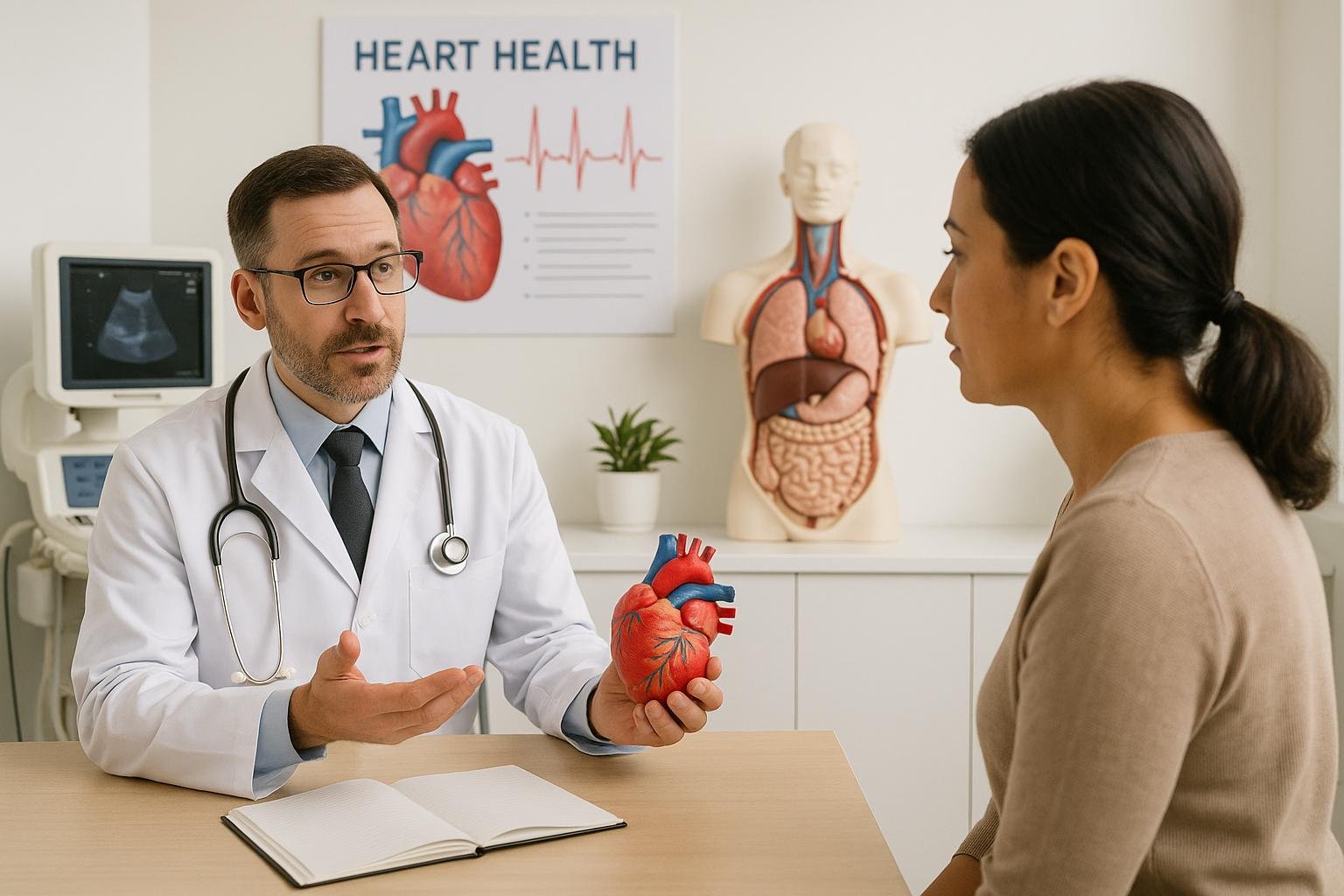
When it comes to heart health, misinformation can make it harder to recognize symptoms and understand risk. Heart attacks affect people in many different ways, and knowing the facts can help you make informed decisions about your health.
Here are five common myths about heart attacks and what current medical understanding tells us.
Myth 1: A heart attack always starts with crushing chest pain.
Fact: Chest discomfort is a common heart attack symptom, but it is not always severe or dramatic. Symptoms can also include shortness of breath, unusual fatigue, nausea, lightheadedness, or discomfort in the jaw, neck, back, or upper abdomen. Symptoms vary from person to person. Chest discomfort remains common in women as well, though some women may also experience symptoms such as nausea, back discomfort, or shortness of breath. If you think you may be having a heart attack, seek emergency medical help immediately.
Myth 2: Heart attacks only happen to older adults.
Fact: The risk of a heart attack generally increases with age, but younger adults can also have heart attacks. Factors such as smoking, high blood pressure, high cholesterol, diabetes, and family history can affect cardiovascular risk. Heart-healthy habits and appropriate medical care matter at every age.
Myth 3: If you feel fine and exercise, your heart must be perfectly healthy.
Fact: Regular physical activity supports heart health, but it does not eliminate every risk. High blood pressure and high cholesterol often have no noticeable symptoms. Routine health checks can identify these and other risk factors, although no single screening can guarantee that a person has no heart disease.
Myth 4: Heart disease is entirely genetic, so it cannot be prevented.
Fact: A family history of heart disease can increase your risk, but it does not determine your future on its own. Not smoking, staying physically active, eating a balanced diet, and managing conditions such as high blood pressure and diabetes can help reduce cardiovascular risk. A clinician can help you make a prevention plan suited to your health and family history.
Myth 5: A heart attack and cardiac arrest are the same thing.
Fact: They are different emergencies. A heart attack occurs when blood flow to part of the heart muscle is blocked. Cardiac arrest occurs when the heart suddenly stops pumping blood effectively, often because of an electrical problem. A heart attack can sometimes lead to cardiac arrest, but they are not the same event. If someone collapses, is unresponsive, and is not breathing normally, call emergency services, begin CPR if able, and use an AED if available.
Taking Charge of Your Heart Health
Understanding heart attack symptoms and managing your personal risk factors are useful steps toward better heart health. Speak with a healthcare professional if you have concerns, a family history of cardiovascular disease, or risk factors such as high blood pressure or high cholesterol.
For sudden chest pain, severe shortness of breath, fainting, or other symptoms of a possible heart attack, seek emergency medical care immediately. Do not wait for a routine appointment.
For non-emergency questions about preventive care, you can arrange a cardiac evaluation with Dr. Mangesh Gaikwad to discuss your individual health needs.