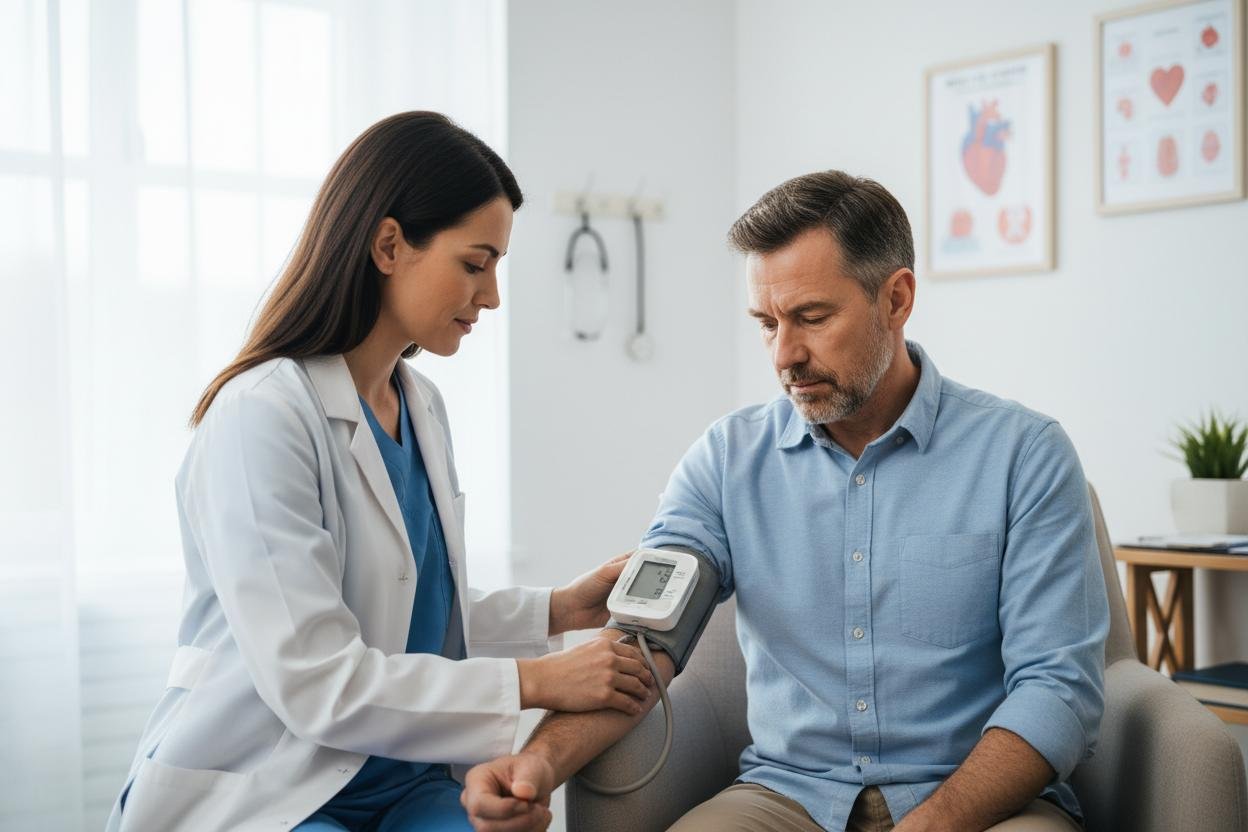
High Blood Pressure Facts and How to Control It: A Cardiologist’s Guide
High blood pressure, or hypertension, occurs when the force of blood pushing against your artery walls is consistently too high (130/80 mm Hg or higher). Often called the “silent killer,” it rarely causes noticeable symptoms until it has already damaged your cardiovascular system.
As a physician dedicated to preventative health, I see the long-term impact of uncontrolled hypertension every day. Managing this condition requires a sustained, proactive commitment to your cardiovascular health. When navigating complex cardiac care, partnering with an experienced specialist is vital, which is why patients frequently look for the best cardiologist in Pune to guide them toward a safer, heart-healthy lifestyle.
Fast Facts About High Blood Pressure (Hypertension)
Understanding the data is the first step in protecting your cardiovascular system:
The Numbers Matter: Normal blood pressure is below 120/80 mm Hg. A reading of 120–129/<80 is considered elevated, 130–139/80–89 is Stage 1 Hypertension, and 140/90 mm Hg or higher is Stage 2 Hypertension. Readings at or above 180/120 mm Hg constitute a medical emergency.
No Warning Signs: Most individuals feel perfectly healthy even when their numbers are dangerously high. Regular medical screening is the only definitive way to catch it early.
Major Driver of Disease: Uncontrolled hypertension forces your heart muscle to work harder, thickening and stiffening the tissue over time. It is a primary driver of heart attacks, strokes, heart failure, and chronic kidney failure.
A Widespread Condition: Nearly half of all adults live with high blood pressure, driven by a mix of genetic predisposition, aging, and daily lifestyle choices.
Medical Methods to Control High Blood Pressure
Lowering and managing blood pressure requires a combination of smart lifestyle modifications and, when necessary, medical therapy.
- Optimize Your Diet (The DASH Framework)
Embrace the DASH Diet: Focus on whole foods, fruits, vegetables, whole grains, and lean proteins while minimizing red and processed meats.
Slash Sodium Intake: Limit daily sodium intake to between 1,500 mg and 2,300 mg. Cut back on restaurant meals and packaged, ultra-processed foods.
Boost Potassium: Eat potassium-rich foods like bananas, spinach, sweet potatoes, and beans to help your blood vessels relax and flush out excess sodium naturally.
Cut Refined Carbs and Sugar: Lowering added sugars and refined starches assists with weight management and drops blood pressure numbers. - Move Your Body Regularly
Aerobic Exercise: Aim for at least 150 minutes of moderate-intensity aerobic exercise (such as brisk walking, swimming, or cycling) or 75 minutes of vigorous activity each week.
Add Strength Training: Incorporate muscle-strengthening exercises at least two days a week.
Isometric Movements: Simple exercises like wall squats or planks can also help lower systolic blood pressure. - Maintain a Healthy Weight and Waistline
Shedding even a modest amount of excess weight reduces the mechanical and metabolic strain on your heart. Losing weight can significantly drop both your systolic and diastolic readings. - Manage Stress and Prioritize Sleep
Calm the Nervous System: Chronic stress keeps blood vessels constricted. Practice daily mindfulness, yoga, deep breathing, or techniques like the 4-7-8 breathing method.
Get Restful Sleep: Aim for 7 to 9 hours of quality sleep per night. Screen for underlying conditions like sleep apnea, which strongly correlates with treatment-resistant hypertension. - Eliminate Nicotine and Limit Alcohol
Quit Tobacco: Avoid smoking and vaping completely. Nicotine and tobacco byproducts immediately spike vascular tone and arterial inflammation.
Limit Alcohol: Keep alcohol consumption to low-risk levels (1 or fewer drinks per day, or minimal weekly intake depending on local health guidelines). - Monitor Numbers at Home & Partner with a Specialist
Track at Home: Use an upper-arm clinical-grade home blood pressure monitor to log your daily numbers an